Have you ever felt a surge of confidence just moments before a result reveals itself—maybe when spinning the online roulette wheel on MrQ, waiting to see if the number hits your bet? This phenomenon, often called an expectation spike, is surprisingly common. It’s an emotional and cognitive cocktail mixed by anticipation, uncertainty, and how our brains process risk and probability.
In this post, we’ll explore the psychology behind that moment of confidence, especially related to online casino platforms that use random number generators (RNG). We’ll also touch on how simple game mechanics—like those popularized by providers such as NetEnt—contribute to those feelings. Finally, we’ll unpack how cognitive biases shape prediction behavior and the emotional rollercoaster of risk decisions.
Uncertainty Creates Anticipation: The Emotional Fuel
At the core of that confident feeling right before a result appears lies uncertainty. I've seen this play out countless times: learned this lesson the hard way.. Uncertainty is a compelling force because it sparks anticipation—the emotional waiting that heightens our senses and, paradoxically, can create a rush of confidence.
Psychologists and behavioral scientists have long studied how uncertainty and anticipation work together. For example, a 2018 Harvard Business Review article explains that “uncertainty motivates exploration and increases engagement,” especially when the outcome is unknown but within reach.
In online casinos like MrQ, this is perfectly engineered. The platform shows players simple games, such as instant wins or digital slots, where results pop up in seconds. Players often experience an expectation spike—the sudden surge of hope and confidence just before the final reveal.
Why does this happen?
- Anticipation enhances dopamine release. Dopamine is the neurotransmitter connected to pleasure and reward. When uncertain outcomes are close to a resolution, dopamine spikes, making you feel optimistic and confident. Uncertainty engages attention. Your brain focuses intently on the outcome, filtering out distractions and creating a feeling of control over the moment.
Example: Imagine you’re watching an online roulette spin on MrQ. The little ball bounces around the wheel, and your heart races. That split-second before it settles, your brain floods with anticipation, and you feel... sure. It’s not that you know the ball will land on your number, but the anticipation makes you feel that way.
Simple Mechanics—Highly Engaging and Confidence-Boosting
Casino game design leverages simple mechanics to maximize engagement and emotional investment. Take the slots from NetEnt, for example. Their games often revolve around a few core symbols, paylines, and quick spins. This straightforwardness makes outcomes easy to understand and predict on a surface level, which can increase player confidence.
Why do simple mechanics matter?
They reduce cognitive load. When a game is easy to follow, players feel more in control even though the results depend on RNG. They encourage repetition. Fast games with clear rules allow multiple rounds in a short time, giving continuous opportunities for anticipation and expectation spikes. They create a predictable framework. Even if results are unpredictable, the consistent format makes players feel like they can "learn" patterns or rhythms, inflating confidence.Consider a NetEnt slot, where you see reels spin and symbols align repeatedly. This repetition, paired with quick payouts, generates an emotional loop sustaining player engagement and confidence spikes just before each payout result.
Risk Decisions Are Emotional, Not Purely Rational
It might seem logical to assume that when placed in front of an RNG-run outcome on platforms like MrQ, decisions and feelings would be purely rational—after all, random number generators are designed to ensure fairness and unpredictability. But human nature is far messier. Risk-taking is heavily influenced by emotions and psychological heuristics.
For instance, the feeling of confidence before a result shows up is not about calculating odds rationally. It’s more about emotional investment in the possibility of winning.
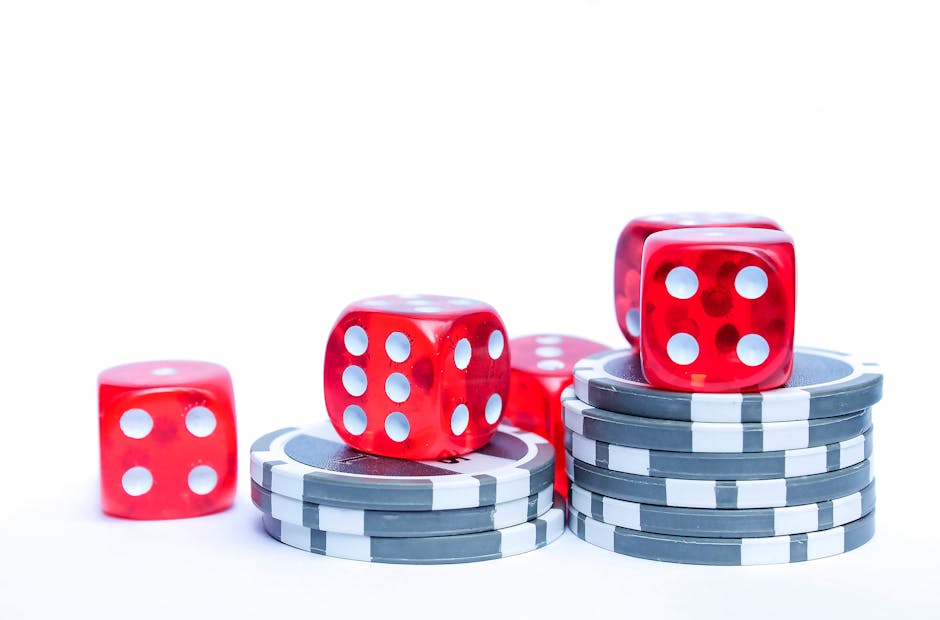
- Anticipation feeds hope. The brain doesn’t treat an RNG outcome like a coin toss; it invests emotional weight in the event. Optimism bias kicks in. This bias leads people to overestimate the likelihood of positive outcomes, strengthening feelings of confidence before results. Emotional memories shape future predictions. Remembering past near wins or actual wins makes players feel luckier, fueling confidence at crunch time.
According to research cited by Harvard Business Review, emotional responses can override cognitively detected probabilities, making "gut feelings" remarkably persuasive—even in random environments.
Cognitive Biases Shape How Probability Is Perceived
Our intuitive understanding of probability is riddled with biases.^1 The surge of certainty right before the pay-off is strongly influenced by several psychological effects:
Bias Description Effect on Confidence Before Result Gambler’s Fallacy Belief that past random events affect future outcomes (e.g., "a win is due after many losses"). Boosts confidence by creating expectation that a win is imminent. Illusion of Control Feeling that one can influence or predict random events. Increases sense of control and confidence just before results. Confirmation Bias Tendency to notice information that confirms pre-existing beliefs. Strengthens confidence by selectively recalling wins or near wins.These biases interact subtly to shape our prediction behavior, making us feel more certain about outcomes just before they unfold—even when rational probability says otherwise.
The Role of RNGs in Online Casinos
Random number generators (RNGs) are the backbone technology behind fair and unbiased outcomes in online casinos like MrQ. RNGs produce unpredictable results, ensuring every spin or card is random and independent of previous outcomes.

But even knowing that the game's results are random, players often feel a moment of emotional certainty just before seeing the result. This disconnect between the mathematical randomness ensured by RNGs and emotional grammarmean.com confidence is what makes gambling psychology so fascinating.
Interestingly, casino design and user experience capitalize on this emotional response, enhancing anticipation through visuals, sounds, and rapid feedback loops.
Connecting It All: Why Confidence Spikes Make Sense
So here's the deal: here’s why people feel confident immediately before the result shows up in uncertain environments, especially in online gambling contexts:
Anticipation riot: The uncertainty of not knowing what will happen next fuels excitement and a dopamine rush, which feels like confidence. Simple game mechanics: Easy-to-follow mechanics lower cognitive stress and create a sense of predictability and mastery. Emotion over logic: Risk and reward decisions are based more on feelings and emotional memories than cold calculations of odds. Cognitive biases: Mental shortcuts, like the gambler’s fallacy and illusion of control, inflate prediction behavior confidence.Even though every spin or deal is independent and generated by trustworthy RNGs, these psychological effects create the vivid experience of confidence. Platforms like MrQ design for that emotional moment, and game creators such as NetEnt craft engaging, fast-paced mechanics to harness it.
Related Reading
If you found this fascinating, check out our related post on how NetEnt’s innovative slot designs use cognitive psychology principles to boost player engagement and anticipation.
Final Thoughts
The fleeting confidence you feel right before the result appears is a fascinating blend of biology, psychology, and design. It’s a testament to how anticipation thrills us, even when logic might say otherwise. Understanding these feelings doesn’t take the fun out of the experience; it deepens appreciation for the complex interplay of mind and chance behind every online spin and bet.
^1 See Kahneman, D. (2011). Thinking, Fast and Slow. Farrar, Straus and Giroux.
```