Whether you’re engrossed in a match on PlayStation Universe or dissecting strategies in Football Manager, you’ve likely encountered the terms pressing intensity, defensive work rate, and fatigue. These concepts are integral in understanding modern football tactics and dynamics — but too often, they’re buried under layers of technical jargon that make them seem impenetrable.
In this article, we’ll strip away the confusing phrases and explain pressing intensity in simple terms, its relationship with defensive work rate and fatigue, and why understanding these concepts matters beyond football simulations and gaming. Along the way, we'll touch on how these insights relate to offshore sports betting sites and live betting functionality, especially for bettors aiming to adopt an analyst mindset rather than relying on misplaced confidence.
What Is Pressing Intensity?
At its core, pressing intensity describes how aggressively a team tries to win the ball back when they don’t have possession. Imagine your favorite EA Sports FC player sprinting quickly toward an opponent the moment they receive the ball — that's pressing intensity in action.
Pressing intensity isn’t just about running after the ball; it involves coordinated pressure from multiple players designed to force mistakes or rushed decisions. This tactic can disrupt the opposing team’s rhythm and help regain control higher pattern recognition football up the field.
Connection to Defensive Work Rate
Defensive work rate is closely linked to pressing intensity but focuses more on the individual player’s willingness to defend. It indicates how often and how energetically a player contributes defensively.
While pressing intensity measures the team’s collective pressure effort, defensive work rate highlights an individual’s role within that scheme. High pressing intensity requires players with high defensive work rates to maintain relentless pressure.
Why Fatigue Matters
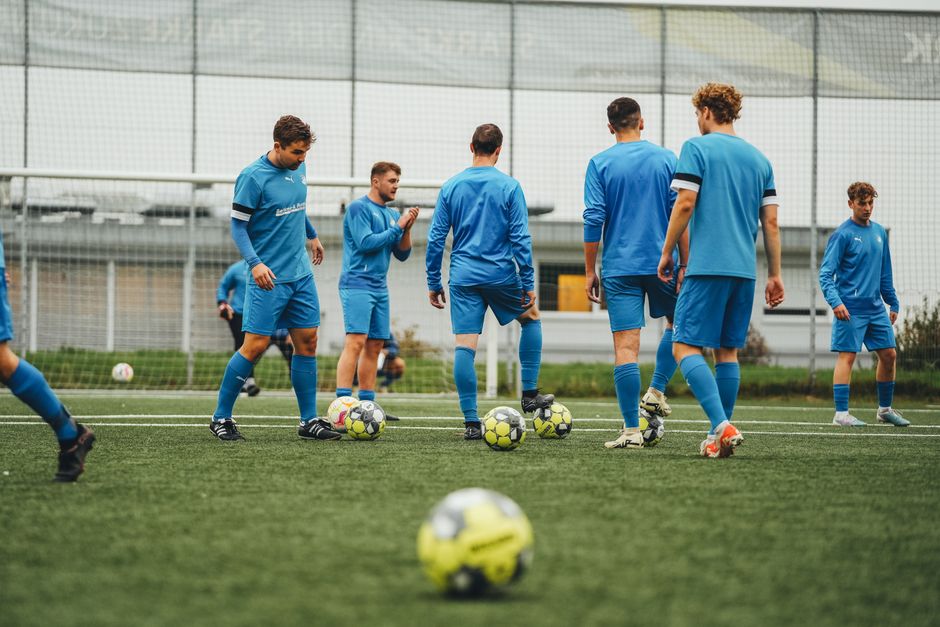
Any sustained pressing requires physical effort, leading to fatigue — the how bookmakers set odds decline in a player’s ability to perform at their peak. Fatigue can cause lapses in concentration, slower reactions, and ultimately, reduced defensive effectiveness.
Teams must balance pressing intensity carefully to avoid burnout, especially over the course of a grueling fixture schedule, a fact well-known to anyone who manages a squad in Football Manager.
Why Understanding Pressing Intensity Matters (Beyond Gaming)
Games like Football Manager and titles featured on PlayStation Universe do a great job making tactical concepts accessible. However, there’s a common cognitive bias where gamers might overestimate how these digital experiences improve their real-world betting acumen, particularly on offshore sports betting sites.
Here’s the catch: cognitive skill transfer — the notion that skills learned in one context automatically improve performance in another — is limited. Excelling at recognizing patterns in a football simulation doesn’t guarantee success in predicting real match outcomes.
Pattern Recognition vs Prediction
One of the valuable skills in football analysis and betting is pattern recognition: identifying trends like how a team’s pressing intensity shifts depending on game state (e.g., leading vs. trailing). This skill is helpful but isn’t the same as *predicting* future events.
Prediction involves probabilistic thinking — weighing variables like player fatigue, recent injuries, team psychology, and even weather conditions, none of which a simulation can fully capture.
Stats Literacy: Knowing the Numbers, Not Omnipredicting
Stats literacy refers to the ability to interpret football statistics correctly. For example, knowing that a team with a high defensive work rate often leads to fewer goals conceded gives context but doesn’t lock in an exact scoreline.

This distinction is crucial. Mistaking stats literacy for predictive certainty can lead bettors down a slippery slope, especially when using live betting functionality on offshore sports betting sites, where odds can shift rapidly.
Adopting an Analyst Mindset for Smarter Betting
Fans of Football Manager know the value of patience, observation, and incremental adjustments. This mindset is exactly what separates informed betting from guesswork.
Separate Understanding from Prediction: Dedicate energy to understanding pressing intensity and defensive work rate as frameworks for interpreting matches without trying to guess the exact final score every time. Contextualize Fatigue: Consider how a team’s recent schedule affects their physical condition and pressing capabilities — not just what a simulation or basic stat sheet says. Use Data Wisely: Utilize statistics to inform decisions but remember numbers are descriptive, not prophetic. Monitor Live Betting Markets: Leverage live betting functionality on offshore sports betting sites to adjust wagers based on how pressing intensity and defensive effort seem to be unfolding in-game. Avoid Cognitive Biases: Keeping a running list of biases like overconfidence, confirmation bias, or the illusion of control can help maintain clarity.Summary Table: Pressing Intensity, Defensive Work Rate, and Fatigue
Concept What It Means Real-World Impact Application in Gaming Relevance to Betting Pressing Intensity How aggressively a team applies pressure to regain possession Can disrupt opponent’s play, increase turnovers Key tactical setting in games like EA Sports FC and Football Manager Signals potential for high-action phases; useful for live betting decisions Defensive Work Rate Individual player’s commitment and energy in defending Determines team’s defensive solidity and ability to sustain pressure Influences player instructions and stamina management in Football Manager Helps gauge likelihood of defensive lapses or resilience Fatigue Physical and mental tiredness reducing player performance Leads to mistakes, slower reactions, higher injury risk Managed via rotations and training in simulation games Crucial factor when assessing team form for betting, especially over congested schedulesFinal Thoughts
Pressing intensity, defensive work rate, and fatigue are more than just buzzwords in football commentary. They are fundamental concepts that shape how teams perform and ultimately, how matches unfold.
Recognizing these factors enhances your appreciation of the game whether you’re diving into detailed tactics on PlayStation Universe or managing squad fitness in Football Manager. More importantly, understanding them with an analyst’s mindset is invaluable when engaging with offshore sports betting sites and their live betting functionality.
So next time you watch a match or browse through your betting options, resist the trap of treating your gaming skills as infallible predictors. Instead, focus on developing your pattern recognition, stats literacy, and tactical understanding — all while keeping a healthy respect for the unavoidable uncertainties that define football.