Games of chance are everywhere—whether you're spinning the reels at an online casino platform like MrQ or enjoying a simple card game with friends. At their core, these games are engines of uncertainty, where understanding probability can shape our experience and decisions. But is there expected value vs house edge a safe and effective way to think about probability when the outcomes are fundamentally random? In this post, we'll explore what a healthy probability mindset looks like, how emotions and biases impact your choices, and how tools like random number generators (RNGs) ensure fairness in gameplay.
The Role of Uncertainty: Why Chance Feels Exciting
Imagine opening a new online slot game developed by a company like NetEnt. Every spin carries uncertainty—you don’t know if you'll hit a jackpot or lose your bet. This uncertainty isn't just a source of frustration; it actually creates anticipation and excitement. According to research published in the Harvard Business Review, humans are naturally drawn to uncertain outcomes because they trigger emotional responses and engage our brain's reward systems.
It's this anticipation—the "not knowing"—that makes games of chance compelling, even addictive for some. But it also means players need to be cautious: uncertainty can cloud judgment, making it harder to think clearly about probability and risk.
Simple Mechanics, Engaging Gameplay
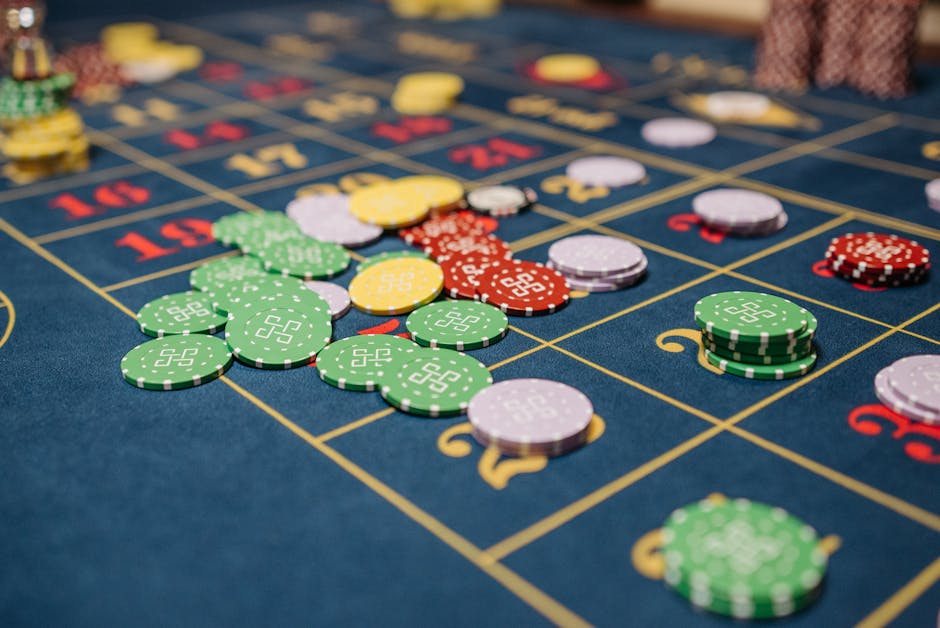
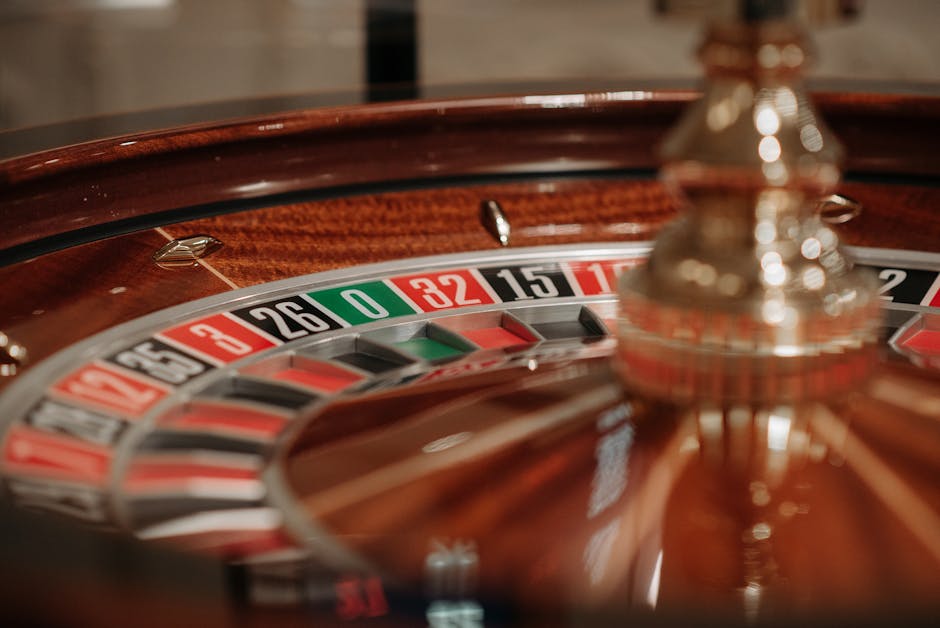
One reason games of chance feel so accessible is their straightforward rules. Take a basic roulette wheel—red or black, odd or even. Simple mechanics let players focus on the thrill rather than complex strategy. This simplicity is by design; slots and table games with clear odds help sustain player engagement over time.
- Example: MrQ’s online slots use RNG technology to deliver outcomes quickly and transparently. Example: Blackjack can seem simple—a game where your total should be 21 or less to beat the dealer—but subtle strategic choices add layers of complexity.
Because players grasp the rules easily, they often feel confident making bets. Yet, this confidence can lead to overlooking how unpredictable the results really are.
Emotions Drive Risk Decisions More Than Logic
It's tempting to think players act like rational decision-makers, calculating odds and expected returns with precision. In reality, gambling decisions are highly emotional and influenced by cognitive biases.
For instance, the hot-hand fallacy convinces some players that a winning https://enyenimp3indir.net/why-do-people-like-watching-others-play-chance-based-games-online/ streak in slots or poker is “due” to continue, even though each spin or hand is independent. Similarly, the confirmation bias leads players to remember wins more vividly than losses, skewing their perception of how often they actually win.
Risk awareness means recognizing these emotional traps. Instead of trying to predict the unpredictable, a better approach is to accept uncertainty and understand that no amount of “feel” can change probabilities in a random system governed by an RNG.
Understanding Random Number Generators (RNGs)
Modern online casinos like MrQ rely on random number generators—algorithms designed to produce random outcomes that simulate physical chance events, such as spinning a roulette wheel or shuffling cards.
RNGs ensure that:
- Each game round is independent and random. Odds are fixed by game design and cannot be manipulated by the player or operator. Players experience fair and unpredictable outcomes.
RNG technology supports a fundamental truth: every spin, deal, or roll starts with the same probability parameters. Therefore, no betting strategy can reliably overcome the house edge or beat true randomness.
Cognitive Biases: How They Shape Probability Perception
Players rarely interpret probability accurately due to mental shortcuts called cognitive biases. These biases arise because people use experience and emotion rather than raw math to judge risk:
Gambler’s fallacy: Believing that a loss streak means a win is “due.” For example, after five reds in roulette, thinking black must come next. Availability heuristic: Overestimating the likelihood of rare wins because they are memorable and reported. Illusion of control: Feeling like skill or rituals can influence a random outcome.Recognizing these biases helps players develop a more grounded and safe probability mindset, reducing emotional decision-making and promoting self-control.
Building Player Self-Control through Education and Tools
Responsible gaming starts with players understanding that gambling is about entertainment and random chance—not a way to reliably make money. Platforms like MrQ, as well as industry watchdogs, often provide tools and resources to encourage player self-control:
- Setting deposit, loss, or session limits within online casino platforms. Providing clear explanations about how RNGs and odds work. Offering self-assessment quizzes to measure risk awareness. Encouraging breaks and mindful gambling practices.
When players combine knowledge of probability with emotional regulation, they enjoy the the excitement of games without losing perspective or control.
Summary: How to Think Safely About Probability in Games of Chance
Key Aspect Safe Probability Mindset Approach Uncertainty Accept outcomes are unpredictable; enjoy anticipation without expecting to predict results. Game Mechanics Focus on understanding simple rules rather than “beating” the system. Emotional Biases Recognize and counter cognitive biases like gambler’s fallacy or illusion of control. Random Number Generators (RNGs) Trust the fairness enforced by RNGs to ensure randomness. Player Self-Control Use limits and educational tools to keep gambling fun and sustainable.Further Reading
Want to know something interesting? if you're interested in deeper insights on gaming psychology and player behavior, harvard business review offers excellent articles on decision-making under uncertainty. Here's a story that illustrates this perfectly: was shocked by the final bill.. Also, check out our related post on how RNG technology powers NetEnt slots for a technical behind-the-scenes perspective.
Ultimately, the safest way to think about probability while playing games of chance is to embrace the fun of uncertainty without letting emotions or misconceptions take over. Staying informed, aware, and in control will help keep your gaming experience entertaining and responsible.